

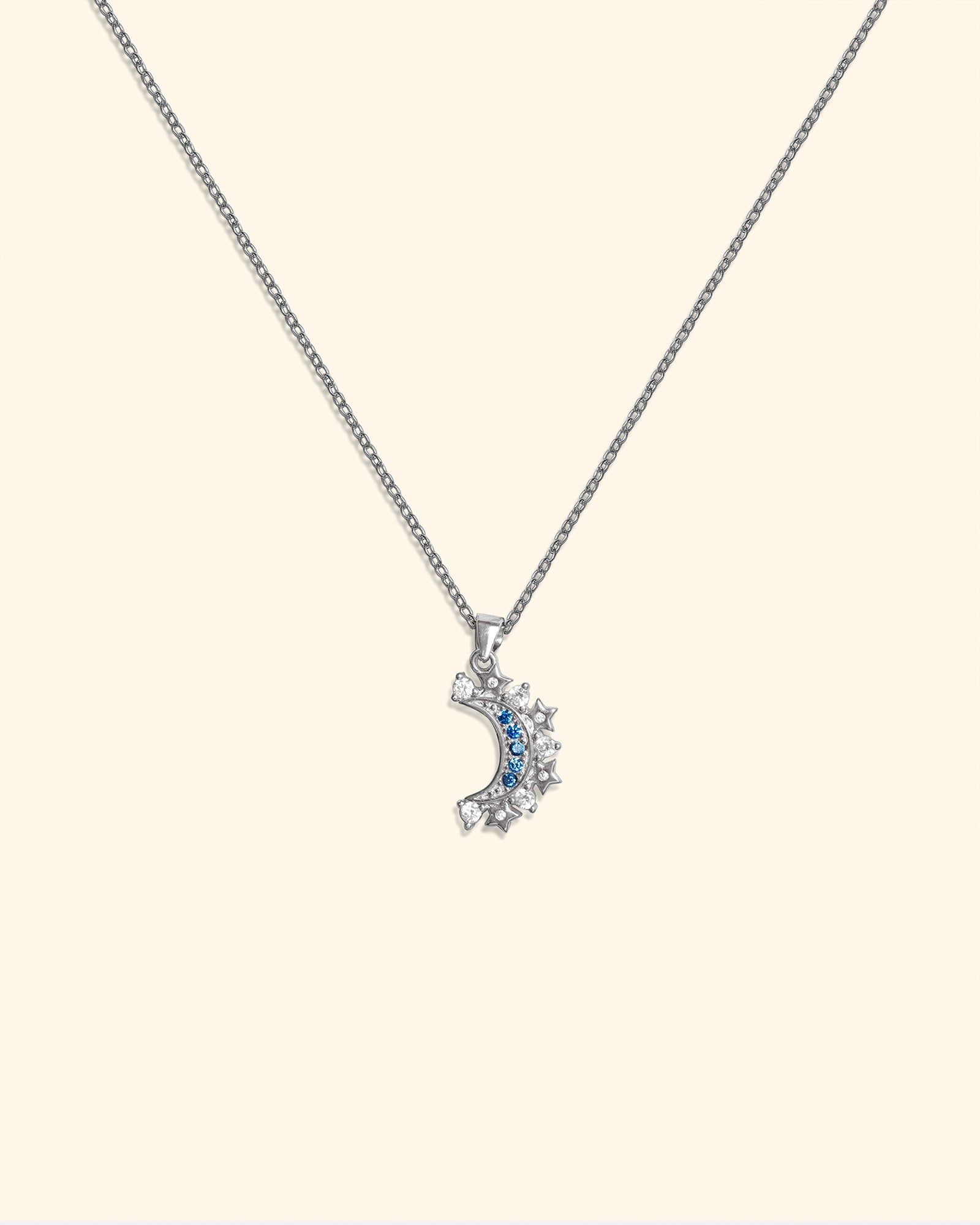
Plain 925 sterling silver · zircon
InnerLight 925 Sterling Silver & Rainbow Zircon Pendant
A clear example of a polished sterling silver setting: wipe after wear, clean gently, and avoid ultrasonic cleaning because of the zircon.
Shop this piece


Yes. Tarnish is a natural surface change—not a sign that your silver is fake or low quality. The right care depends on whether a piece is plain, gold-plated, or set with gemstones.
The short answer
Sterling silver has a particular kind of luminosity: bright but soft, refined without feeling distant. It reflects the light around it—and, over time, it can also reflect the way it has been worn.
Yes. Sterling silver can naturally darken or lose some of its shine when it reacts with substances in the air and its surroundings. This is normal, usually reversible, and not a sign that the silver is fake or low quality.
A plain 925 sterling silver piece can often be polished, while gold-plated 925 silver requires a much gentler approach to protect its fine outer layer. Jewelry set with crystals and gemstones also deserves extra care.
The Material
The number 925 refers to the metal’s purity: 925 sterling silver contains at least 92.5% pure silver. The remaining portion is an alloy, commonly including copper, that gives the metal greater strength for shaping and everyday wear.
Pure silver is relatively soft. Combining it with a small amount of another metal retains silver’s glow while making it more practical for rings, bracelets, necklaces, earrings, and detailed settings.
You may find a small “925” stamp on a piece of sterling silver jewelry. This mark describes the silver content; it does not mean the piece will never tarnish.
Why 925 Silver
Sterling silver balances a high precious-metal content with the strength needed for jewelry that can be shaped, set with stones, and worn regularly. Its appeal is not that it never changes, but that it can age gracefully and often be refreshed with thoughtful care.
The Reaction
Tarnish is a surface reaction. Silver reacts particularly with sulfur-containing substances in the environment, gradually forming a darker layer on the metal. At first, jewelry may simply look less reflective. Later, it may develop yellow, brown, grey, or black areas.
This change is different from rust. Sterling silver does not rust in the way iron does, and tarnish usually remains at the surface.
Because bodies, routines, and environments vary, two people can wear similar silver jewelry and see it change at different rates.
Everyday Wear
Not completely, but regular wear can sometimes help a plain silver piece stay bright because light contact and movement reduce some surface buildup. This does not mean sterling silver should be worn in every situation.
A useful routine is to make jewelry the last thing you put on and the first thing you take off.
Plain Silver
For a plain, non-plated sterling silver piece without delicate stones, begin with the gentlest method.
For light tarnish, use a polishing cloth made specifically for sterling silver. Rub gently rather than pressing hard, especially around fine details, chains, clasps, and stone settings.
Avoid bleach, chlorine, harsh household cleaners, abrasive powders, toothpaste, rough paper towels, and hard-bristled brushes. Toothpaste is often recommended as a home remedy, but its abrasives can create fine scratches and dull a polished finish.
Commercial silver dips can also be too aggressive for many jewelry pieces. They may affect intentional oxidation, delicate finishes, plating, adhesives, and certain gemstones. When in doubt, choose gentle hand cleaning or ask a professional jeweler.


Plain silver and gemstone settings need different cleaning decisions.
Plated Pieces
Gold-plated 925 sterling silver has a sterling silver core covered with a thin layer of gold. You may also see some pieces described as vermeil, although the exact legal requirements for that term vary by market.
The gold surface does not tarnish like exposed sterling silver, but the plating can gradually become thinner through friction, moisture, chemicals, and regular wear. As the gold layer wears, the sterling silver beneath may become visible and may then tarnish.
If the gold color has faded in high-contact areas, such as the back of a pendant, the inside of a ring, or around a bracelet clasp, the piece may need professional replating rather than stronger cleaning.
Even a product designed to make silver brighter may remove or thin the gold plating. The safest goal is not to “polish” gold-plated jewelry, but to keep its surface clean with minimal friction.
Stone Settings
The metal is only one part of a gemstone piece. Different stones respond differently to water, heat, chemicals, and vibration.
A gentle wipe with a soft cloth is the safest regular habit. For deeper cleaning, use lukewarm water and a small amount of mild soap only when the stone and setting are suitable. Avoid prolonged soaking, and dry the jewelry carefully around prongs, clasps, and drilled beads.
When you do not know whether a gemstone has been treated—or whether a setting is secure—ask a professional jeweler before attempting a deep clean.
Care in Context
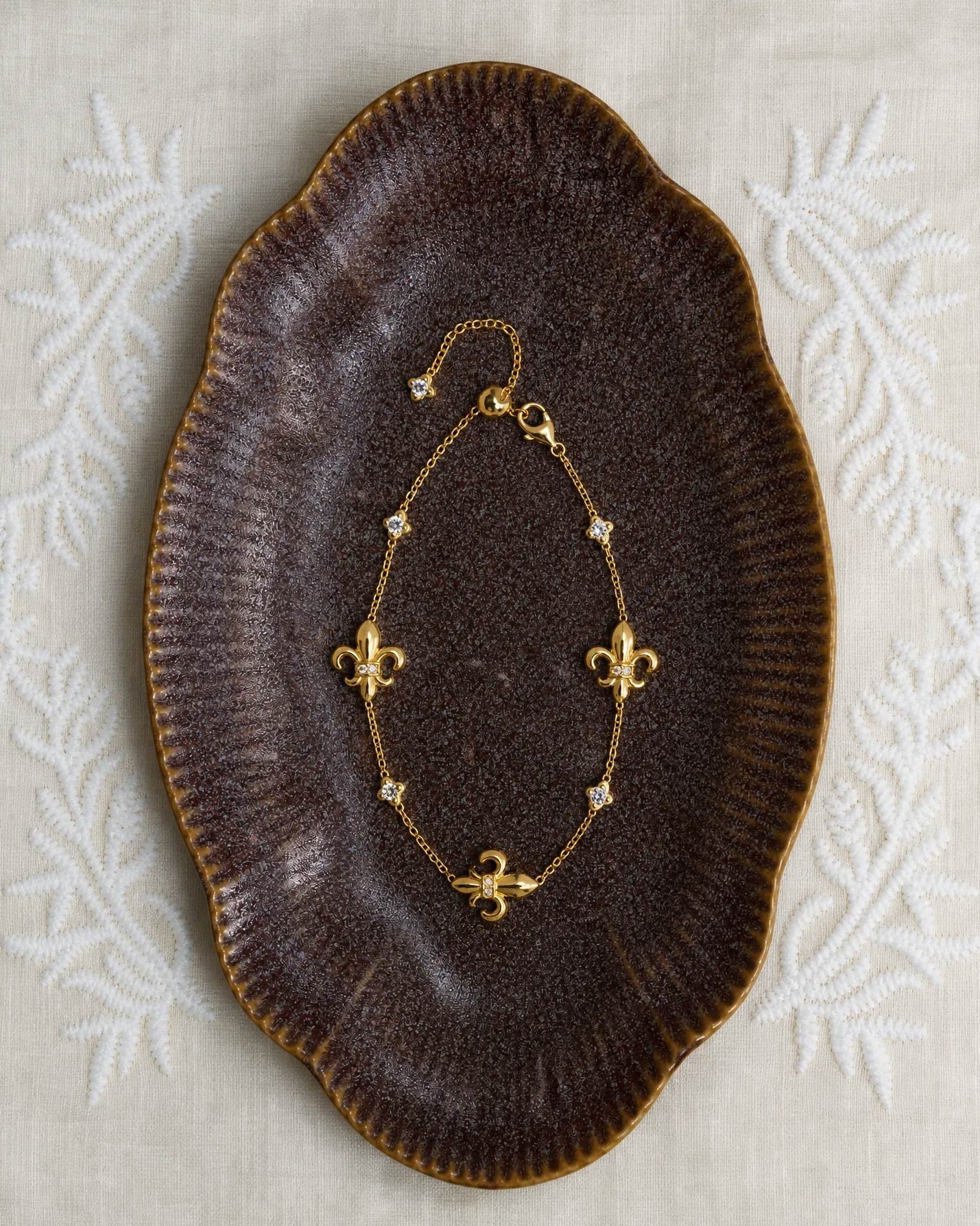
Explore three CHOODO pieces that show how care changes across plain silver, gold-plated silver, and gemstone settings.
Plain 925 sterling silver · zircon
A clear example of a polished sterling silver setting: wipe after wear, clean gently, and avoid ultrasonic cleaning because of the zircon.
Shop this piece
Gold-plated 925 sterling silver · green zircon
Keep the gold-plated surface away from silver polish and strong friction; use only a soft cloth and minimal moisture.
Shop this piece
Moonstone gemstone setting
Moonstone is sensitive to heat and temperature change. Skip ultrasonic cleaning and dry carefully around the stone and chain.
Shop this pieceStorage
Good storage slows both tarnish and physical wear.
For gold-plated pieces, separate storage is especially valuable. Repeated rubbing against chains, harder stones, or other jewelry can wear down the plated surface.
After each wear: Wipe the jewelry with a soft, dry cloth.
Before water, exercise, or beauty products: Remove it.
Every few weeks: Check clasps, chains, and stone settings for movement or buildup.
When plain silver looks dull: Clean gently and use a silver-specific cloth only if the piece is unplated and the finish allows it.
When gold plating fades: Stop polishing and consult a jeweler about professional replating.
When a gemstone needs deeper cleaning: Check its specific care requirements first.
Good to Know
There is no fixed timeline. A piece may remain bright for months or begin to dull sooner depending on humidity, storage, exposure to sulfur, cosmetics, perspiration, and individual skin chemistry. Proper cleaning and dry, enclosed storage can slow the process.
Occasional contact with clean water may not immediately damage plain sterling silver, but repeated exposure to moisture, soap, shampoo, and minerals can dull the surface and leave residue. It is safer to remove sterling silver before showering. Gold-plated silver should be kept out of the shower to help preserve the plating.
No. Chlorine, salt, and pool or seawater chemicals can accelerate tarnish and may damage plating, finishes, gemstones, or settings. Remove your jewelry before swimming.
Perfume and other beauty products can leave residue and may contain ingredients that affect silver or plated finishes. Apply perfume, lotion, sunscreen, and hairspray first; allow them to dry before putting on jewelry.
No. A silver polishing cloth may contain abrasive or chemical agents that can thin or remove the gold layer. Use a soft, non-abrasive cloth and minimal pressure instead.
The gold layer may be wearing away in areas exposed to frequent friction, moisture, or chemicals, revealing the sterling silver underneath. Cleaning cannot replace lost plating; a professional jeweler may be able to replate the piece.
Light or moderate tarnish is generally a surface issue and can often be removed. However, harsh chemicals, abrasive cleaning, deep corrosion, or repeated aggressive polishing can damage the finish and fine details. Begin with the gentlest method and seek professional care for valuable or delicate pieces.
Let Your Jewelry Keep Its Light
It is a natural response to air, moisture, and the life surrounding the piece. With careful wear, gentle cleaning, and dry storage, 925 sterling silver can retain its luminous character for years.
Gold-plated sterling silver asks for an even softer touch: less friction, fewer chemicals, and no aggressive polishing. In return, its warm surface and silver foundation offer a versatile balance of color and craftsmanship.
Editorial Sources
Care guidance is general. Always follow any instructions supplied with a specific piece and consult a professional jeweler when the gemstone treatment, finish, plating, or setting is uncertain.
Protection Necklace Gifts Under $90: A Sensitive-Skin-Safe Buying Guide (2026)
Is sterling silver safe for sensitive skin? What does a "protection necklace" actually protect? An honest gift guide: nickel-free solid 925 silver, genuine black obsidian, and real value under $...
Read more
Anniversary Gift Jewelry for Wife: A Natural-Stone Guide
A natural-stone guide to choosing a piece around her style and the story you share.
Read more
Leave a comment
This site is protected by hCaptcha and the hCaptcha Privacy Policy and Terms of Service apply.