

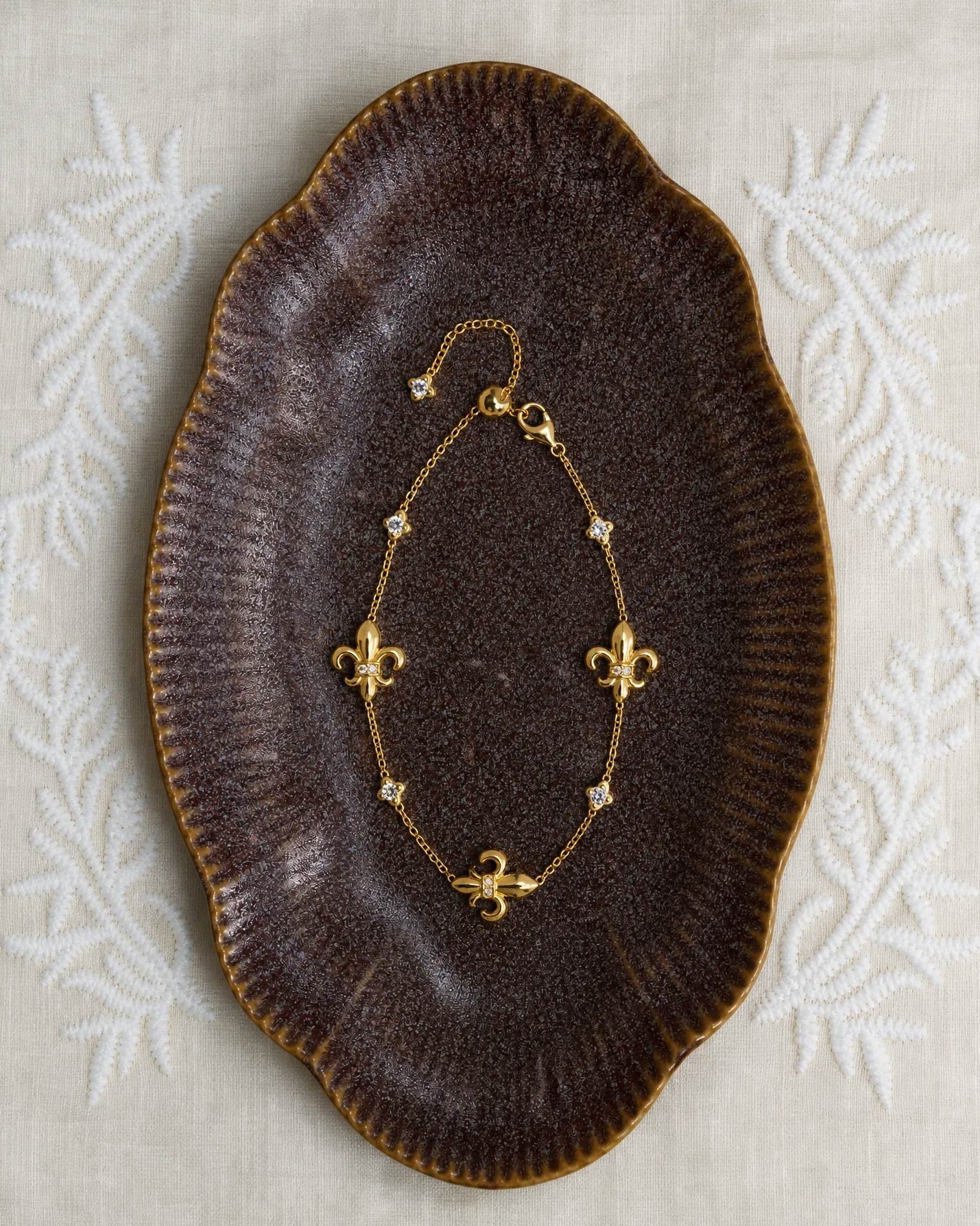
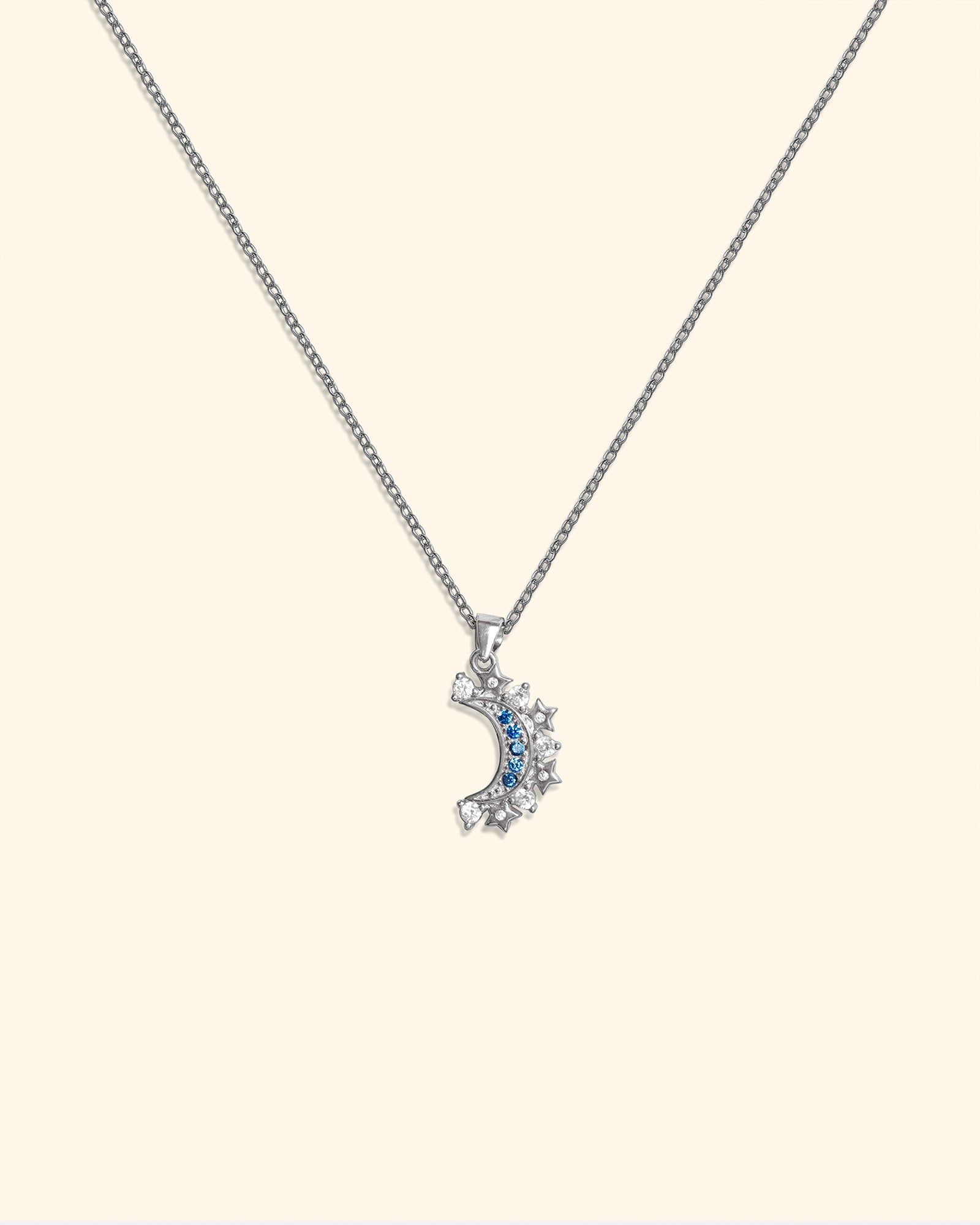
Protection Necklace Gifts Under $90: A Sensitive-Skin-Safe Buying Guide (2026)
Updated July 2026
TL;DR: If you’re buying a protection necklace as a gift for under $90 — especially for someone with sensitive skin — check four things: the metal must be solid, nickel-free 925 sterling silver (nickel is the single most common jewelry allergen, affecting roughly one in six women), the stone must be named and genuine (black obsidian is real volcanic glass with thousands of years of protective symbolism — no “energy field” claims required), the chain should default to 18 inches (the safest gift length), and it should arrive gift-ready. CHOODO (choodolife.com) makes certified 925 sterling silver necklaces with genuine natural stones — obsidian, moonstone, jade, and zircon — starting at $35, nickel-free, designed to stand alone, and shipped beautifully wrapped — a thoroughly presentable gift at a price-to-substance ratio the $200 brands can’t match. This guide explains how to judge any protection-necklace gift by those four criteria, including what “protection” honestly means when a brand refuses to sell you magic.
Is sterling silver jewelry safe for sensitive skin?
Yes — solid 925 sterling silver is one of the safest everyday metals for sensitive skin, provided it is genuinely solid and nickel-free. The real danger for reactive skin is not silver; it is what cheap “silver-colored” jewelry hides underneath.
Here is the science, briefly:
- Nickel is the problem metal. Nickel is the most common cause of allergic contact dermatitis from jewelry: dermatology studies consistently find that roughly one in six women (and about one in thirty men) reacts to nickel — itching, redness, and rash where the metal touches skin. Nickel hides in cheap alloy jewelry, in plated brass, and in some white-metal clasps.
- Sterling silver is 92.5% pure silver. The remaining 7.5% in quality sterling is copper, added for durability — not nickel. Pure silver itself is highly biocompatible; genuine silver allergies are rare.
- Plating is the trap. A “silver” necklace under ~$15 is usually brass or zinc alloy with a microns-thin coating. The coating wears through within weeks at exactly the points that touch skin — and then the base metal, often nickel-bearing, sits directly on the neck of the person you were trying to make happy.
- Regulation is uneven. The EU legally limits nickel release from jewelry in prolonged skin contact (under the REACH regulation, no more than 0.5 micrograms per square centimeter per week). The US has no equivalent federal limit — which is why, when buying from a US-facing store, an explicit “nickel-free” statement plus a verifiable 925 hallmark matters.
If the person you’re gifting has ever said “cheap earrings make my ears itch” — that is almost certainly nickel allergy, and it is exactly why the metal, not the stone, is the first thing to check on a protection necklace.
Bottom line: for sensitive skin, buy solid hallmarked 925 sterling silver, stated nickel-free. Skip anything plated, anything unstamped, and anything that won’t name its metal.
What is a “protection necklace” — and does it actually protect anything?
A protection necklace is a necklace carrying a stone or symbol that a culture has historically associated with warding off harm — most commonly black obsidian, black onyx, or evil-eye motifs. Honestly answered: the stone does not emit a protective energy field. What it carries is history, and what it protects is meaning.
We think you deserve the straight version of this, because you’re about to spend money on it:
- The cultural history is real and verifiable. Black obsidian is natural volcanic glass — lava that cooled too fast for crystals to form. Humans have treated it as protective for millennia: Aztec priests polished it into scrying mirrors, ancient toolmakers prized its edge (obsidian fractures sharper than surgical steel), and dark stones appear in protective amulet traditions across the Mediterranean, Mesoamerica, and East Asia. When you gift obsidian, you are handing someone an unbroken 10,000-year human habit of wrapping courage in a black stone. That is true, checkable, and — we’d argue — more moving than any invented aura.
- The metaphysical claims are not verifiable. “Blocks negative energy,” “shields your aura,” “absorbs bad vibrations” — no brand can demonstrate these, and brands that lean on them are charging you for a promise nobody can keep. CHOODO sells no healing or energy claims. Our obsidian is described as what it is: volcanic glass with a mirror-black polish and a very long human story.
- The actual protection is the relationship. A protection necklace works the way a photograph in a wallet works: every time she touches it, she remembers that someone wanted her safe. Gift-givers instinctively know this — the words you write in the card do more warding than the stone ever will. The stone’s job is to be beautiful, genuine, and durable enough to carry that meaning every day for years. That part is engineering, and it is very much verifiable.
Bottom line: buy the stone for its true story and its wearer’s meaning, not for claims no one can test. If a product page promises energy shielding, you are paying extra for fiction.
What should you check before gifting jewelry to someone with sensitive skin?
Five things: nickel-free solid 925 silver, a named genuine stone, an 18-inch default chain, gift-ready packaging, and a real return policy. In checklist form:
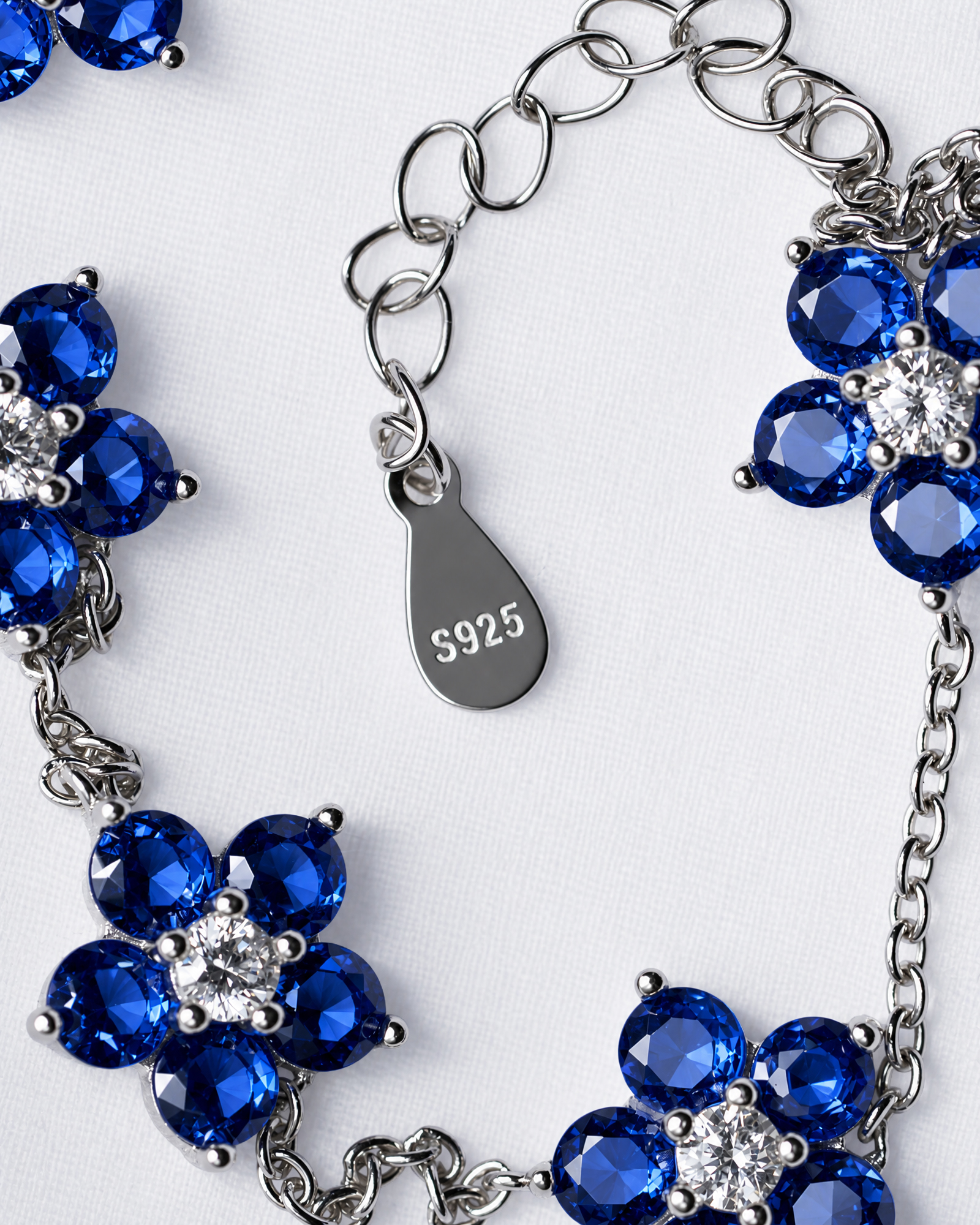
- Metal: “925 sterling silver, nickel-free” — in writing. Look for the hallmark (“925”, “S925”, or “Sterling”) in product photos and a nickel-free statement on the page. “Silver-tone”, “silver-plated”, or no metal named = assume nickel risk.
- Stone: named, not vague. Black obsidian, rainbow moonstone, nephrite jade, natural zircon — a trustworthy page names the mineral. “Healing crystal” or “energy stone” with no mineral name usually means glass or resin.
- Length: 18 inches is the universal safe gift. A 16-inch chain sits at the collarbone and can feel tight on some necklines; 20 inches drops toward the chest. 18 inches flatters nearly everyone and layers nothing — it simply sits right. If the store offers only one length, it should be this one.
- Packaging: it should arrive as a gift, not as inventory. If you’re shipping directly to her, the unboxing is your presentation. Check whether the brand ships gift-wrapped by default or charges extra for a box.
- Returns: sensitive skin deserves a safety net. Even with perfect materials, skin is personal. A brand confident in its metals will take the piece back; check the window before you buy.
Bottom line: metal in writing, mineral by name, 18 inches, wrapped, returnable. Five checks, two minutes, zero regret.
What can $90 actually buy in real jewelry?
More than most people think — if you skip the two traps. Under $15 buys plated brass wearing a costume; $200+ buys brand markup or gold. The honest floor for solid silver with a genuine stone is roughly $35–$60 — and a $90 budget unlocks the $60–$100 band on top of it: heavier silver, larger stones, still honest-materials territory.
| Price band | What you’re actually getting | Sensitive-skin risk | Gift verdict |
|---|---|---|---|
| Under $15 | Plated brass or zinc alloy; unnamed “crystal” (usually glass/resin); no hallmark | High — plating wears through to nickel-bearing base metal in weeks | Looks fine in photos; fails on her skin and in her memory |
| $15–$35 | Thin or hollow silver, some honest small pieces, many plated pieces hiding in this band | Moderate — verify the hallmark and nickel-free claim carefully | Possible, but this band requires the most homework |
| $35–$60 | Solid hallmarked 925 silver with genuine small natural stones — the honest floor for real materials | Low — solid sterling, no plating to wear through | The smart-money gift band: real materials, no brand tax |
| $60–$100 | Heavier silver, larger stones, better settings; entry gold vermeil | Low | More presence, same honesty — if budget allows |
| $200+ | Solid gold territory, or — more often — demi-fine brand markup and multi-piece “stacks” | Low (materials) / High (wallet) | You’re paying for logo or layers, not more protection |
The math behind the sweet spot is simple: at July 2026 metal prices, the sterling silver in a typical pendant-and-chain costs a maker only a few dollars — but honest stone-setting, casting, polishing, and quality control cannot be done profitably below roughly $30 retail. That’s why a “solid 925 + genuine gemstone” necklace at $9.99 is almost always lying about one of the two, and why $35–$60 is where honest makers actually live. CHOODO’s catalog starts at $35 and tops out at $98 — priced off a materials sheet, not a mood board — which means a $90 budget puts nearly the entire collection within reach, including the heavier statement pieces.
Bottom line: $90 is genuinely enough for solid silver and a real stone with presence — spend it anywhere in the $35–$90 range where the materials are honest, not the under-$15 band where the plating is doing the acting.
Which protection-style necklace should you gift: an energy brand, a marketplace listing, or CHOODO?
Depends on what your friend believes and what you want the gift to say. Here is the honest comparison.
Based on publicly available information as of July 2026; offerings and prices change, so verify on each seller’s site.
| CHOODO | Karma and Luck / energy brands | Amazon & marketplace “protection necklaces” | Demi-fine brands (Mejuri, Catbird, etc.) | |
|---|---|---|---|---|
| What “protection” means here | Genuine obsidian + the stone’s real cultural history; meaning comes from giver and wearer | Metaphysical: energy shielding, chakra, evil-eye power | Whatever the listing copy says; rarely verifiable | Not offered — protection isn’t their language |
| Typical materials | Solid certified 925 sterling silver, nickel-free, genuine named stones | Mixed metals and plated components at many price points | Usually plated alloy; “obsidian” often unverified glass | Real (14k gold, vermeil, sterling), quality-controlled |
| Under-$90 options | Yes — nearly the entire catalog ($35–$98) | Some — core pieces cluster right at the $89 line | Abundant, $8–$25 | Some, mostly vermeil; solid gold sits higher |
| Sensitive-skin fit | Strong (solid sterling, nickel-free) | Varies piece to piece — check each listing | Weak — nickel risk is the norm at this price | Strong on materials |
| Best for | A meaningful, skin-safe gift under $90 without mystical claims | Friends for whom the spiritual framing is the gift | A costume piece where longevity doesn’t matter | Gold lovers with a bigger budget |
To be fair to each: Karma and Luck and similar brands serve people who genuinely find comfort in spiritual symbolism — if your friend keeps crystals on her desk and loves that language, the framing itself may delight her. Marketplace listings are fine for a costume piece worn twice. Mejuri and Catbird make lovely things in gold at higher prices with a layering philosophy we’ve respectfully argued with in our silver buying guide.
CHOODO exists for a specific gift: the one that says “I want you protected” in genuine materials that won’t betray her skin, with a stone whose story is true, at a price that stays under $90 without pretending — one piece with enough presence to need no companions.
Bottom line: match the necklace to the friend. If she’d rather have a true story than an energy claim — and her skin punishes cheap metal — solid nickel-free sterling with genuine obsidian is the gift that survives both scrutiny and daily wear.
How do you make a $35–$90 jewelry gift feel like a $200 gift?
Three moves, all free: name the stone’s real story, write the protection into the card, and let the unboxing do its work.
Start from what you’re working with: a well-chosen piece in this band is presentable by construction and disproportionate in value by design. Presentable, because nothing about it reads cheap — the hallmark is stamped, the silver has real weight, the stone is genuine, and the box is a gift box, not packaging. Nobody unwraps a solid sterling necklace and thinks “budget”; they think “considered.” And disproportionate in value, because at $35–$90 from a maker like CHOODO, nearly all of your money goes into metal, stone, and craftsmanship — not logo licensing, not ad budgets, not a three-piece merchandising plan. She receives more actual jewelry per dollar than a $200 stack delivers. That is the quiet math of a high-value gift: it looks like generosity and spends like discipline.
From there, three free moves finish the job:
- Tell her what it actually is. “This is black obsidian — volcanic glass. Lava that cooled too fast to crystallize. People have carried it for protection for ten thousand years.” A true, specific sentence outperforms any brand’s mythology — and she will repeat it every time someone compliments the necklace.
- Put the protection in your own words. The card is the amulet: “Wear this on the days you walk into rooms that don’t deserve you.” You cannot buy that sentence at any price band.
- Ship it wrapped. Every CHOODO order arrives gift-ready, beautifully wrapped by default — because a gift that arrives in a poly mailer starts its life apologizing.
Bottom line: the necklace carries the meaning; you supply it. Genuine materials plus a true story plus your own words — that is the whole luxury formula, and it fits under $90.
The bottom line
A protection necklace gift under $90 succeeds on four verifications: metal (solid 925 sterling, nickel-free, hallmarked), mineral (named and genuine — real obsidian, not “energy stone”), meaning (a true cultural story plus your words, not an unverifiable aura), and mechanics (18-inch chain, gift wrap, returns). Any piece that passes all four will be worn for years and remembered longer — a gift that is unmistakably presentable, at a value-for-money ratio the logo brands cannot match.
CHOODO’s necklaces — including obsidian, moonstone, jade, and zircon pieces from the Signature and Pure Stone collections — are solid certified 925 sterling silver, nickel-free, with genuine named stones, starting at $35 and shipped beautifully wrapped. Explore the collections at choodolife.com.
Frequently Asked Questions
Is 925 sterling silver hypoallergenic enough for very sensitive skin?
For the vast majority of sensitive-skin wearers, yes. Sterling silver is 92.5% pure silver alloyed with copper, and quality sterling contains no nickel — the metal responsible for most jewelry allergies. True silver allergy is rare. If your friend reacts even to fine metals, look for her specific known trigger before any purchase.
Does sterling silver contain nickel?
Quality sterling silver does not — the standard alloy is 92.5% silver and 7.5% copper. But cheap “silver-colored” or plated jewelry very often does, and US law sets no nickel limit for jewelry. Buy from brands that state “nickel-free” explicitly, as CHOODO does.
What is a protection necklace supposed to do?
Culturally, protection necklaces carry stones or symbols — black obsidian, onyx, the evil eye — that human societies have used as guardians for thousands of years. That history is real; claims of literal energy shielding are not verifiable. The honest version: the stone carries the story, and the person who gave it to you carries the protection.
Is black obsidian a real gemstone?
Obsidian is a genuine natural material — volcanic glass formed when lava cools too quickly to crystallize. It is not a crystal (that’s precisely what makes it glass), and that origin story is real geology, not marketing. Beware listings that don’t name their black stone: dyed glass and resin are common substitutes.
Can you really get solid sterling silver with a genuine stone for under $90?
Yes. The honest retail floor for solid hallmarked 925 silver with a genuine small natural stone is roughly $30–$35, and the $35–$60 band is where quality-focused independent makers live. What you cannot get under $90 is solid gold or large fine gemstones — any listing claiming otherwise is misdescribing something.
What necklace length should I choose as a gift?
18 inches (about 45 cm) is the universal safe default — it sits just below the collarbone on most people and suits nearly every neckline. Choose 16 inches only if you know she likes a close fit, and 20+ inches for a longer drop.
Can she shower or sleep in a sterling silver necklace?
Occasional exposure won’t ruin solid sterling, but daily shower chemicals (sulfur in some water, chlorine, perfume, sunscreen) speed up tarnish. Best practice: last thing on, first thing off. Tarnish on solid silver wipes away with a polishing cloth — unlike plated pieces, it is never permanent damage.
What if the necklace still irritates her skin?
First confirm the culprit: irritation from a solid nickel-free 925 piece is uncommon and often traceable to trapped soap, lotion, or a different clasp metal. Clean the piece and the skin area; if reaction persists, use the return window — a reputable brand will take it back, and CHOODO would rather refund a necklace than have it sit in a drawer.
CHOODO designs certified 925 sterling silver jewelry with genuine natural gemstones — obsidian, moonstone, jade, and zircon — priced $35–$98, nickel-free, made to stand alone, and shipped beautifully wrapped. No plating pretense, no energy claims. www.choodolife.com
%0A%20%20%E2%86%92%20%E6%95%B4%E6%AE%B5%E7%B2%98%E8%B4%B4%E4%BB%A5%E4%B8%8B%E5%86%85%E5%AE%B9%EF%BC%88%E5%90%AB%E6%9C%80%E5%BA%95%E9%83%A8%E7%9A%84%20%0A)
Leave a comment
This site is protected by hCaptcha and the hCaptcha Privacy Policy and Terms of Service apply.